

 simple.wikipedia.org
 Introduction: Embarking on a DIY Jet Boat Project Welcome to the exciting world of DIY jet boat building! Constructing your own jet boat is a challenging but rewarding endeavor. This post provides a simplified, step-by-step guide to help you understand the process, from obtaining plans to launching your completed vessel. Remember to prioritize safety and consult with experienced builders whenever possible.
Step 1: Obtaining and Reviewing Plans The foundation of any successful DIY project is a good set of plans. Finding a reputable source for jet boat plans is crucial. Look for detailed plans that specify materials, dimensions, and construction techniques. Thoroughly review the plans, paying close attention to the bill of materials and construction sequences.
- Finding Suitable Plans: Search online for "jet boat plans," specifically looking for designs suitable for beginners or small-scale projects.
- Material Selection: Understand the materials specified in the plans. Marine-grade plywood is commonly used for the hull, while aluminum or stainless steel might be necessary for jet unit components and reinforcing structures.
- Plan Understanding: Ensure you fully comprehend all dimensions, angles, and construction steps outlined in the plans. If in doubt, seek clarification from the plan provider or an experienced boat builder.
Step 2: Building the Hull Framework The hull framework provides the structural integrity of the boat. This step involves cutting, shaping, and assembling the various frame components according to the plans.
- Cutting Frame Pieces: Accurately cut the frame pieces (ribs, stringers, etc.) from the specified material (usually marine plywood) using a jigsaw, circular saw, or other appropriate tools.
- Assembling the Frame: Assemble the frame according to the plans, using epoxy resin and fasteners to create a strong and rigid structure. Ensure all angles and dimensions are correct.
- Fairing the Frame: Fair the frame by smoothing out any irregularities or bumps. This ensures a smooth surface for the hull skin.
Step 3: Applying the Hull Skin The hull skin forms the watertight outer layer of the boat. Typically, this is achieved using plywood sheets, fiberglass, or a combination of both.
- Cutting the Skin Panels: Cut the hull skin panels from marine plywood or other specified material according to the plans.
- Attaching the Skin: Attach the skin panels to the frame using epoxy resin and fasteners. Ensure a tight and secure fit.
- Fiberglassing (Optional): Apply fiberglass cloth and resin to the hull for added strength and waterproofing. This step is highly recommended for durability.
Step 4: Installing the Jet Unit The jet unit is the heart of the jet boat. Its correct installation is essential for performance and safety.
- Preparing the Jet Unit Opening: Cut the opening in the hull according to the jet unit specifications.
- Mounting the Jet Unit: Install the jet unit according to the manufacturer's instructions, ensuring it is properly aligned and securely mounted.
- Connecting the Steering: Connect the steering mechanism to the jet unit. This will usually involve cables, linkages, or hydraulic systems.
Step 5: Installing the Engine and Fuel System Selecting and installing the correct engine is critical. Follow engine manufacturer specifications carefully.
- Engine Mounting: Mount the engine securely within the hull, ensuring proper alignment with the jet unit.
- Fuel System Installation: Install the fuel tank, fuel lines, and fuel filter according to regulations and best practices. Ensure the fuel system is leak-proof.
- Exhaust System Installation: Install the exhaust system, ensuring proper venting to prevent carbon monoxide poisoning.
Step 6: Electrical Wiring and System Installation Wiring is necessary to operate boat electric equipment, carefully planning each wire.
- Wiring the Boat: Run the necessary wiring for lights, gauges, starter, and other electrical components. Use marine-grade wiring and connectors.
- Installing Instruments: Install gauges and instruments on the dashboard, connecting them to the appropriate sensors and wiring.
- Safety Systems: Install safety systems such as a bilge pump, fire extinguisher, and kill switch.
Step 7: Finishing and Painting This stage involves preparing surfaces for painting or treatment for water protection.
- Sanding and Filling: Sand the hull and fill any imperfections with epoxy filler.
- Priming: Apply a primer coat to the hull for better paint adhesion.
- Painting: Apply several coats of marine-grade paint to the hull, following the manufacturer's instructions.
Step 8: Final Assembly and Testing At this point, ensure that every part is correctly placed and functions effectively.
- Installing Hardware: Install hardware such as cleats, handrails, and seats.
- Testing Systems: Test all systems (engine, jet unit, electrical, steering) to ensure they are functioning properly.
- Water Testing: Conduct initial water tests in a controlled environment to check for leaks and proper performance.
Conclusion: Enjoying Your DIY Jet Boat Building a jet boat is a major accomplishment. After careful construction and thorough testing, you can finally enjoy the thrill of piloting your own creation. Always prioritize safety and adhere to boating regulations. Remember to perform regular maintenance to keep your jet boat in top condition for years to come.
Jet. By Jenjentastique On Deviantart
 www.deviantart.com
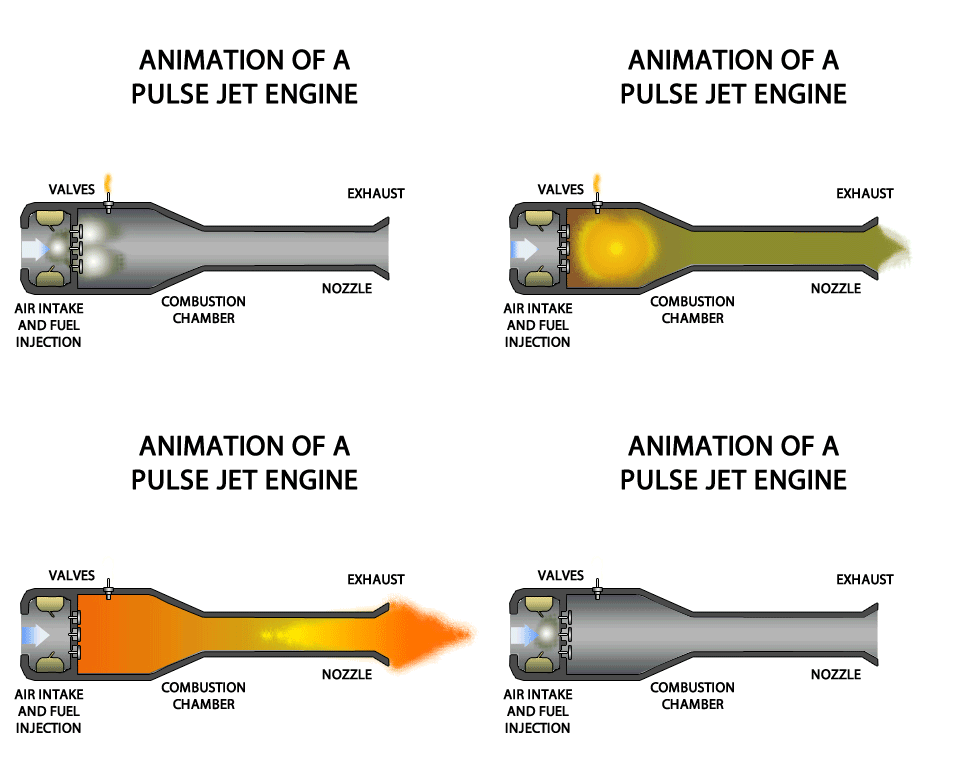
 Pulse Jet Engine
simple.wikipedia.org Jet The Hawk
 desciclopedia.ws


0 komentar:
Posting Komentar