Selasa, 18 November 2025

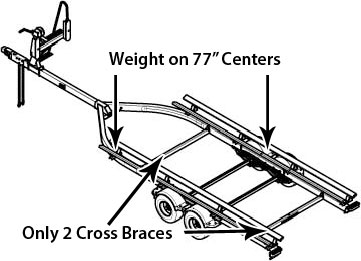
118+ Pontoon Boat Trailer Building Plans

Pontoon boat trailer building plans uk www.boatplanseasy.com

```html
Introduction: The Thrill of DIY and a Custom Pontoon Trailer Building your own pontoon boat trailer might seem daunting, but with the right plans, tools, and a bit of elbow grease, you can save money and customize it to perfectly fit your needs. This guide will walk you through the process, step-by-step. Before we begin, ensure you have access to welding equipment and are comfortable using it or have a qualified welder on hand. Safety is paramount. Always wear appropriate safety gear. These steps assume you have already acquired or created a detailed building plan.
Step 1: Gathering Materials and Tools It is crucial to gather all necessary materials and tools before starting the build. This will streamline the process and prevent unnecessary delays.
  • Steel: Square tubing, channel iron, angle iron (dimensions based on your plans)
  • Axles and Suspension: Choose the correct capacity for your pontoon boat.
  • Wheels and Tires: Matched to the axle capacity.
  • Coupler: The part that attaches to your tow vehicle. Ensure it's the correct size and rating.
  • Lights and Wiring: Trailer lights (brake, turn, running lights), wiring harness, connectors.
  • Fenders: To protect your trailer and other vehicles from road debris.
  • Winch and Strap: For loading and securing the pontoon boat.
  • Rollers or Bunks: To support the pontoon boat.
  • Paint or Coating: To protect the steel from rust.
  • Welding Equipment: Welder, helmet, gloves, safety glasses.
  • Cutting Tools: Angle grinder, metal cutting saw.
  • Measuring Tools: Tape measure, level, square.
  • Drilling Tools: Drill, drill bits.
  • Clamps: To hold pieces together during welding.
  • Safety Gear: Safety glasses, welding gloves, respirator.
  • Step 2: Cutting the Steel Carefully measure and cut the steel according to your pontoon boat trailer plans. Accuracy is vital for a well-aligned and structurally sound trailer.
  • Double-check all measurements before cutting.
  • Use appropriate cutting tools for the thickness and type of steel.
  • Grind any sharp edges or burrs after cutting.
  • Label each piece of steel with its corresponding part number from the plans to avoid confusion.
  • Step 3: Assembling the Frame Begin assembling the main frame of the trailer. This typically involves welding together the square tubing and channel iron to create the structural skeleton.
  • Tack weld the pieces together first to ensure proper alignment.
  • Use a square and level to ensure the frame is straight and true.
  • Once you are satisfied with the alignment, fully weld the joints.
  • Ensure all welds are strong and free of defects.
  • Step 4: Installing the Axles and Suspension Attach the axles and suspension system to the frame. This step is crucial for ensuring proper weight distribution and a smooth ride.
  • Position the axles according to your trailer plans, considering the weight and balance of your pontoon boat.
  • Weld or bolt the suspension components to the frame, following the manufacturer's instructions.
  • Ensure the axles are aligned properly to prevent premature tire wear.
  • Step 5: Adding Rollers/Bunks and Winch Install the rollers or bunks that will support the pontoon boat. This is a critical step for preventing damage to the boat during loading and transport. Mount the winch and install the strap.
  • Position the rollers or bunks to match the shape of your pontoon boat hulls.
  • Securely attach the rollers or bunks to the frame using bolts or welds.
  • Install the winch at the front of the trailer, ensuring it is properly aligned with the bow of the boat.
  • Test the winch to ensure it operates smoothly.
  • Step 6: Wiring and Lights Install the trailer lights and wiring harness. This step is essential for ensuring your trailer is legal and safe to tow.
  • Run the wiring harness through the frame of the trailer, securing it with zip ties or clamps.
  • Connect the lights to the wiring harness, following the manufacturer's instructions.
  • Test the lights to ensure they are functioning correctly (brake lights, turn signals, running lights).
  • Step 7: Installing Fenders and Coupler Attach the fenders to protect your trailer and other vehicles from road debris. Install the coupler for connecting the trailer to your tow vehicle.
  • Position the fenders over the wheels, ensuring they provide adequate coverage.
  • Weld or bolt the fenders to the frame.
  • Attach the coupler to the front of the trailer, ensuring it is securely fastened.
  • Step 8: Painting and Finishing Prepare the trailer for painting by cleaning and degreasing the steel. Apply a coat of primer followed by a coat of paint to protect the steel from rust and corrosion.
  • Sandblast or wire brush the steel to remove any rust or mill scale.
  • Apply a coat of metal primer.
  • Apply one or two coats of paint.
  • Step 9: Final Inspection and Adjustments Perform a thorough inspection of the trailer to ensure everything is properly installed and functioning correctly. Make any necessary adjustments.
  • Check all welds for cracks or defects.
  • Ensure all bolts are tightened properly.
  • Test the lights, brakes, and winch.
  • Adjust the rollers or bunks as needed to properly support the boat.
  • Conclusion: Your Custom-Built Pontoon Trailer Congratulations! You've successfully built your own pontoon boat trailer. Remember to always prioritize safety and perform regular maintenance to ensure your trailer remains in good condition. Enjoy the water!
    ```

    Pontoon Boat Trailer Building Plans Os, Yacht Builders Turkey Limited, Bass Boat Trailer Tires
    Pontoon boat trailer building plans os, yacht builders turkey limited, bass boat trailer tires www.boatplanseasy.com

    Pontoon Boat Trailer Building Plans Os, Yacht Builders Turkey Limited, Bass Boat Trailer Tires

    Pontoon boat trailer building plans os, yacht builders turkey limited, bass boat trailer tires www.boatplanseasy.com

    Pontoon Boat Trailer Building Plans Uk

    Pontoon boat trailer building plans uk www.boatplanseasy.com
    Read More..

    Senin, 17 November 2025

    62+ Cold Molded Center Console Boat Plans

    Free photo: cold jooinn.com

    ```html
    Opening: A Center Console Boat of Your Own! Building a center console boat is a rewarding project that allows you to customize your vessel to your exact needs. Cold molding is a strong and relatively lightweight construction method, ideal for creating a durable and beautiful boat. This guide outlines the steps involved in building a cold molded center console boat. Note: This is a complex project requiring experience in woodworking, fiberglassing, and boatbuilding. Safety is paramount; always wear appropriate safety gear.
    Step 1: Planning and Design The most critical step is a well-defined plan. Acquire or create detailed boat plans. Plans should include hull lines, frame locations, scantlings (dimensions of structural members), and details for the console, deck, and other components.
  • Determine the desired size and specifications of your boat.
  • Research existing designs or hire a naval architect to create custom plans.
  • Thoroughly review the plans and understand all dimensions and construction details.
  • Step 2: Building the Mold The mold provides the shape for your boat. Cold molding requires a strong and accurate mold.
  • Build a strongback: This is a rigid framework that supports the mold frames.
  • Construct mold frames: These frames define the shape of the hull. Cut them accurately according to the plans.
  • Set up the mold frames on the strongback: Ensure frames are aligned and properly spaced.
  • Fair the mold: Use battens and fairing compounds to create a smooth and fair surface. This is crucial for a fair hull.
  • Seal the mold: Apply multiple coats of epoxy resin and fairing compound to create a smooth, waterproof surface.
  • Apply release agent: Use a mold release agent to prevent the wood from bonding to the epoxy during the cold molding process. This should be a wax-based product specifically for epoxy resin.
  • Step 3: Cold Molding the Hull Cold molding involves laminating multiple layers of thin wood strips (typically cedar, mahogany, or fir) over the mold.
  • Cut wood strips: The strips should be thin (e.g., 1/4" or 3/16") and flexible.
  • Apply epoxy resin: Coat the mold and the first layer of wood strips with epoxy resin.
  • Lay the first layer of strips: Secure the strips to the mold with staples or tacks, following the hull lines.
  • Apply subsequent layers: Alternate the direction of the wood grain for each layer to increase strength. Typically, 3 to 5 layers are used. Stagger the seams of the strips to prevent weak points.
  • Fair the hull: After the epoxy has cured, remove the staples and fair the exterior of the hull with planes, sanders, and fairing compounds.
  • Step 4: Fiberglassing the Hull Fiberglassing adds strength and provides a waterproof barrier to the hull.
  • Prepare the hull surface: Sand the hull smooth and clean.
  • Apply epoxy resin: Coat the hull with epoxy resin.
  • Lay fiberglass cloth: Apply multiple layers of fiberglass cloth, saturating each layer with epoxy resin. Use a squeegee or roller to remove air bubbles.
  • Cure and fair: Allow the epoxy to cure completely, then sand the fiberglass to achieve a smooth and fair surface.
  • Step 5: Removing the Hull from the Mold Carefully separate the hull from the mold.
  • Use wedges and levers: Gently work the hull away from the mold, taking care not to damage either the hull or the mold.
  • Clean the hull: Remove any remaining mold release agent or debris from the hull.
  • Step 6: Building the Interior Structure Install stringers, frames, bulkheads, and other structural components.
  • Install stringers: These longitudinal members add stiffness to the hull.
  • Install frames: Transverse frames provide additional support.
  • Install bulkheads: Bulkheads divide the boat into compartments and add structural integrity.
  • Glass the interior: Cover the interior structural components with fiberglass and epoxy resin.
  • Step 7: Building the Deck and Console Construct the deck and center console using similar cold molding or other construction methods (e.g., plywood and fiberglass).
  • Build the deck structure: Create a framework of beams and supports.
  • Sheathe the deck: Cover the deck structure with plywood or other decking material.
  • Fiberglass the deck: Apply fiberglass cloth and epoxy resin to create a waterproof deck.
  • Build the center console: Construct the console using plywood or other materials. Design the console to accommodate steering, instrumentation, and storage.
  • Step 8: Installing Systems and Hardware Install the engine, steering system, electrical system, plumbing, and other hardware.
  • Install the engine: Choose an appropriate engine for the size and type of boat. Follow the manufacturer's instructions for installation.
  • Install the steering system: Connect the steering wheel to the rudder or outboard motor.
  • Install the electrical system: Wire the boat for lighting, navigation equipment, and other electrical devices.
  • Install the plumbing: Install freshwater tanks, pumps, and plumbing fixtures.
  • Install hardware: Install cleats, railings, and other deck hardware.
  • Step 9: Finishing and Painting Prepare the boat for painting and apply the final finish.
  • Sand the boat: Sand the entire boat smooth.
  • Apply primer: Apply multiple coats of primer.
  • Paint the boat: Apply several coats of marine paint.
  • Apply non-skid coating: Apply a non-skid coating to the deck.
  • Step 10: Launching and Sea Trials Before launching, carefully inspect the boat for any leaks or problems. Conduct sea trials to test the boat's performance and handling.
  • Inspect the boat: Check all systems and connections.
  • Launch the boat: Carefully launch the boat into the water.
  • Conduct sea trials: Test the boat's performance at different speeds and in different sea conditions.
  • Conclusion: Enjoy the Fruits of Your Labor! Building a cold molded center console boat is a significant undertaking, but the result is a custom-built vessel that you can enjoy for years to come. Remember to prioritize safety and take your time throughout the process.
    ```

    Free Photo: Cold

    Free photo: cold jooinn.com

    What Is Cold Smoked Salmon? A Complete Guide To This Delicate Delicacy

    What is cold smoked salmon? a complete guide to this delicate delicacy tatnuckmeatandsea.com

    The Health Benefits Of Being Cold

    The health benefits of being cold www.medicalnewstoday.com
    Read More..

    Jumat, 14 November 2025

    58+ Wood Sail Boat Plans

    Brown wood texture, dark wooden abstract background. southlandrealtors.com

    DIY Wooden Sailboat: A Step-by-Step Guide Ahoy, mateys! Ready to embark on a crafting adventure and build your own miniature wooden sailboat? This guide will walk you through the process, from gathering materials to setting sail. Let's get started!
    Materials You'll Need:
  • Balsa wood sheets (various thicknesses 1/8", 1/4", 1/2")
  • Basswood strips (for the keel and mast)
  • Waterproof wood glue
  • Sandpaper (various grits 80, 120, 220)
  • Craft knife or X-Acto knife
  • Cutting mat
  • Ruler or measuring tape
  • Pencil
  • Drill with small drill bits
  • Sailcloth (lightweight fabric like nylon or ripstop)
  • Thread and needle
  • Dowels or wooden skewers (for the boom)
  • Waterproof paint or varnish
  • Brushes
  • Clamps
  • Scissors
  • Templates (printed or self-drawn hull, sails) Search online for "free model sailboat plans" or design your own.
  • Step 1: Prepare the Hull
  • Print or draw your hull template. Consider a simple shape for your first project.
  • Transfer the template onto the balsa wood. You'll need two identical pieces for the sides of the hull.
  • Carefully cut out the hull pieces using your craft knife on the cutting mat. Make multiple passes for thicker wood.
  • Sand the edges of the hull pieces to smooth them.
  • Cut the bottom piece using the pattern, glue the parts together and fix them with some clamps.
  • Step 2: Assemble the Hull
  • Glue the hull sides to the bottom piece, ensuring a snug fit.
  • Use clamps to hold the pieces together while the glue dries completely (usually 24 hours).
  • Once dry, sand the entire hull to create a smooth, streamlined shape. Focus on blending the edges.
  • Step 3: Add the Keel
  • Cut a piece of basswood to the desired length and shape for the keel. The keel provides stability.
  • Sand the keel to smooth it.
  • Glue the keel to the bottom of the hull, centered and aligned.
  • Clamp the keel in place until the glue is completely dry.
  • Step 4: Prepare and Attach the Mast
  • Cut a length of basswood for the mast. Consider the overall size and proportions of your sailboat.
  • Sand the mast to smooth it.
  • Drill a small hole through the hull to accommodate the mast. The hole should be slightly smaller than the mast diameter for a snug fit.
  • Insert the mast through the hole and glue it in place. Ensure the mast is vertical.
  • Support the mast with clamps or props until the glue is fully dry.
  • Step 5: Create and Attach the Sails
  • Print or draw your sail templates. You'll need a main sail and possibly a jib sail.
  • Place the templates on your sailcloth and cut out the sails, leaving a small seam allowance.
  • Fold over the edges of the sails to create a hem and sew them in place.
  • Reinforce the corners of the sails.
  • Attach the sails to the mast and boom using thread and needle, or small rings. Experiment with different methods.
  • Step 6: Construct the Boom
  • Cut a length of dowel or wooden skewer for the boom (the horizontal pole attached to the bottom of the sail).
  • Attach the boom to the mast, allowing it to swivel freely. You can use a small eyelet screw or a loop of thread.
  • Attach the bottom of the sail to the boom.
  • Step 7: Finishing Touches
  • Sand the entire sailboat to ensure a smooth surface for painting.
  • Apply several coats of waterproof paint or varnish to protect the wood from water damage. Allow each coat to dry completely before applying the next.
  • Add any decorative details you desire, such as stripes, numbers, or a small cabin.
  • Conclusion: Set Sail! Congratulations! You've built your own wooden sailboat. Find a calm body of water and test its seaworthiness. Remember to adjust the sails and ballast (if any) for optimal performance. Enjoy the fruits of your labor and the satisfaction of creating something with your own hands! Good luck, and fair winds!

    Seamless Oak Wood End Grain Texture

    Seamless oak wood end grain texture materialsoftheworld.com

    Brown Wood Texture, Dark Wooden Abstract Background.

    Brown wood texture, dark wooden abstract background. southlandrealtors.com

    Wood Basics: Exploring The Different Types Uses And Best Care For Wooden Materials

    Wood basics: exploring the different types uses and best care for wooden materials billyoh.com
    Read More..

    Kamis, 13 November 2025

    174+ Wooden Sailing Boat Building

    9 pcs wooden spoons for cooking, wooden utensils for cooking with utensils holder, natural teak www.walmart.com

    Introduction: Embark on a DIY Sailing Adventure Dreaming of skimming across the water in your own handcrafted sailboat? Building a small wooden sailing boat can be a rewarding and challenging project. This guide will walk you through the basic steps involved in constructing a simple, small-scale wooden sailboat suitable for beginners. This is a simplified guide, and further research into specific boat designs and techniques is highly recommended before starting.
    Materials & Tools: Gathering Your Resources Before you begin, gather the necessary materials and tools. Careful preparation will streamline the building process.
  • Plywood sheets (Marine grade is best for durability, but standard exterior grade can work for a less expensive project).
  • Wooden strips (Pine or cedar work well for framing).
  • Epoxy resin and hardener.
  • Fiberglass cloth.
  • Screws (Stainless steel or brass).
  • Sandpaper (Various grits).
  • Marine varnish or paint.
  • Sailing hardware (Rope, cleats, rudder fittings, sailcloth).
  • Jigsaw or hand saw.
  • Drill.
  • Clamps.
  • Measuring tape.
  • Pencil.
  • Safety glasses and gloves.
  • Step 1: Designing and Planning Creating Your Blueprint Start by selecting or creating a simple sailboat design. There are numerous free plans available online for small, easy-to-build boats like prams or dinghies. Choose one that suits your skill level and intended use. Accurately scale the plans to your desired size and create templates for the hull panels. This step is crucial, as inaccurate templates will lead to construction problems later.
    Step 2: Cutting the Hull Panels Bringing the Design to Life Using your templates, carefully cut out the hull panels from the plywood sheets with a jigsaw or hand saw. Pay close attention to the angles and curves specified in your plan. Ensure the edges are smooth and free of splinters. Label each panel clearly to avoid confusion during assembly.
    Step 3: Assembling the Hull Stitching and Gluing This step uses the "stitch and glue" method for simplicity. Drill small holes along the edges of the panels, as indicated in your plans. Temporarily stitch the panels together using wire or plastic zip ties. This allows you to adjust the shape before permanently bonding them. Once you're satisfied with the shape, apply thickened epoxy resin to the seams, both inside and out. Remove the stitches after the epoxy has cured. Apply fiberglass tape to the seams for added strength and waterproofing.
    Step 4: Adding the Framing Reinforcing the Structure Install wooden strips as frames along the inside of the hull to provide structural support. Glue and screw these frames into place, ensuring they are evenly spaced and properly aligned. Add a keel (the "spine" running down the center of the bottom) to further stiffen the hull and provide stability.
    Step 5: Deck and Cockpit Creating the Upper Structure Cut and install the deck using plywood. Leave an opening for the cockpit area where you will sit. Reinforce the edges of the cockpit opening with wooden strips. Ensure the deck is securely attached to the hull and framing with epoxy and screws.
    Step 6: Rudder and Keel Installation Steering and Stability Components Construct the rudder and keel from plywood and shape them according to your plans. Attach the rudder to the stern using appropriate hardware, allowing it to pivot freely. Securely attach the keel to the bottom of the hull. Consider using multiple layers of fiberglass and epoxy to reinforce these critical components.
    Step 7: Painting and Finishing Protection and Aesthetics Sand the entire boat to create a smooth surface for painting or varnishing. Apply multiple coats of marine varnish or paint to protect the wood from the elements. This is crucial for longevity. Allow each coat to dry completely before applying the next.
    Step 8: Installing Sailing Hardware Rigging the Boat Install the necessary sailing hardware, including cleats, rope, and fittings for the rudder. Attach the mast and boom. Fabricate or purchase a sail that fits your boat's dimensions. The sail can be made from sailcloth or a durable synthetic fabric.
    Conclusion: A Journey of Creation Building a wooden sailboat is a significant undertaking, but the satisfaction of sailing a boat you built yourself is unparalleled. Remember to prioritize safety throughout the construction process. With careful planning, patience, and attention to detail, you can create a beautiful and seaworthy vessel. This guide provides a foundational understanding, and further research tailored to your specific design is essential. Happy sailing!

    Buy Vedic 3 Seater Sheesham Wood Sofa With Cane And Brass Detailing (teak Finish, Jade Ivory) At

    Buy vedic 3 seater sheesham wood sofa with cane and brass detailing (teak finish, jade ivory) at www.woodenstreet.com

    Rustic Wooden Background Wooden Planks Illustration Par Vetalstock · Creative Fabrica

    Rustic wooden background wooden planks illustration par vetalstock · creative fabrica www.creativefabrica.com

    9 Pcs Wooden Spoons For Cooking, Wooden Utensils For Cooking With Utensils Holder, Natural Teak

    9 pcs wooden spoons for cooking, wooden utensils for cooking with utensils holder, natural teak www.walmart.com
    Read More..

    Rabu, 12 November 2025

    70+ Outrigger Boat Plans

    Polynesian outrigger canoe sailing koa canoe "hawaiian voyage 2 hull fity.club

    Introduction: Embark on Your Outrigger Boat Adventure! So, you're ready to build your own outrigger canoe? This guide will walk you through the process, step-by-step, helping you create your own watercraft for paddling, fishing, or simply enjoying the water. While 70+ plans sound exciting, let's focus on understanding the basics and creating a simplified, manageable design for a beginner. We'll cover a general approach that can be adapted to various outrigger designs.
    Step 1: Choosing Your Design & Materials Before you start cutting wood, you need a plan. Search online for "simple outrigger canoe plans" or "DIY outrigger canoe plans". Look for designs that are explicitly labeled as suitable for beginners and provide detailed instructions and material lists. Avoid anything overly complex at first. Once you've selected a plan, carefully review the materials list. Common materials include:
  • Marine-grade plywood (for the main hull and outrigger)
  • Solid wood (for gunwales, struts, and seats)
  • Epoxy resin and fiberglass cloth (for waterproofing and strengthening)
  • Fasteners (screws, bolts, and nuts)
  • Make sure you have access to all necessary tools, including a saw, drill, sander, measuring tape, and clamps. Invest in quality materials; they will make a difference in the durability and performance of your boat.
    Step 2: Hull Construction This is the core of your boat. Follow the chosen plan precisely, marking and cutting the plywood according to the dimensions. Begin by assembling the hull panels. This usually involves joining multiple plywood sheets. Use epoxy resin and fiberglass tape to create strong, watertight seams. Clamps are essential to hold the pieces in place while the epoxy cures. Once the hull panels are joined, assemble the main hull shape. This may involve attaching a bow and stern piece. Again, use epoxy and clamps to ensure a solid bond. Allow ample time for the epoxy to cure completely before proceeding to the next step.
    Step 3: Building the Outrigger (Ama) The outrigger, or "ama," provides stability. The construction is similar to the hull, but usually smaller and simpler. Cut the plywood according to the plan and assemble the ama using epoxy and fiberglass. The ama needs to be watertight, so pay close attention to sealing all seams. Once the ama is constructed, sand it smooth and apply several coats of epoxy to protect it from the elements.
    Step 4: Constructing the Struts (Iakos) The struts, or "iakos," connect the outrigger to the main hull. These are typically made from solid wood for strength. Cut the struts to the correct length and shape according to your plan. The angle and placement of the struts are crucial for stability, so measure carefully. Attach the struts to the hull and ama using bolts, screws, and epoxy. Ensure a secure and rigid connection. Reinforce the joints with fiberglass cloth and epoxy for added strength.
    Step 5: Adding Finishing Touches Now it's time to add the details that make your outrigger boat complete. This might include:
  • Installing gunwales (the upper edge of the hull) for added strength and comfort
  • Adding seats or a paddling platform
  • Applying a final coat of epoxy and varnish to protect the wood
  • Adding any decorative elements or personal touches
  • Carefully inspect all connections and joints to ensure everything is secure and watertight. Sand all surfaces smooth and apply a high-quality marine varnish to protect the wood from UV damage and water.
    Step 6: Testing and Launching Before launching your outrigger boat, perform a thorough inspection. Check all connections, seals, and surfaces. Ensure that the outrigger is securely attached and that the boat is stable on land. Find a safe and shallow body of water for your first test run. Start slowly and get a feel for how the boat handles. Make any necessary adjustments to the outrigger or struts to improve stability. Most importantly, wear a personal flotation device (PFD) at all times.
    Conclusion: Enjoy the Fruits of Your Labor! Building your own outrigger canoe is a rewarding experience. It allows you to create a unique watercraft that is tailored to your needs and preferences. Remember to take your time, follow the plans carefully, and prioritize safety. With patience and persistence, you'll soon be enjoying the water in your own handmade outrigger boat.

    Outrigger Canoe

    Outrigger canoe encyclopedia.pub

    Hekili Outriggers Paddle To World Champs Gold In Samoa

    Hekili outriggers paddle to world champs gold in samoa www.dailytelegraph.com.au

    Polynesian Outrigger Canoe Sailing Koa Canoe "hawaiian Voyage 2 Hull

    Polynesian outrigger canoe sailing koa canoe "hawaiian voyage 2 hull fity.club
    Read More..

    Selasa, 11 November 2025

    120+ Hydroplane Boat Plans Free

    The grand prix class added to the brockville race program hrlhydroplane.com

    ```html
    Introduction: Unleash Your Inner Boat Builder with a DIY Hydroplane! Ever dreamed of skimming across the water at exhilarating speeds? Building your own hydroplane boat is an achievable goal with the right plans, tools, and a bit of patience. This guide will walk you through the process, step-by-step, from choosing your plans to launching your finished creation. Let's get started!
    Step 1: Selecting Your Hydroplane Plans The first and most crucial step is choosing the right plans. There are numerous free and paid plans available online, catering to different skill levels and desired boat sizes. Consider these factors:
  • Skill Level: Are you a beginner, intermediate, or experienced woodworker? Choose plans that match your capabilities. Beginner plans often feature simpler designs and construction techniques.
  • Boat Size: Decide how large you want your hydroplane to be. Smaller models are easier to build and transport, while larger models offer more stability and passenger capacity (if applicable).
  • Materials: Check the plan for required materials and their availability. Common materials include plywood, epoxy resin, fiberglass cloth, and various hardware.
  • Free vs. Paid Plans: Free plans can be a great starting point, but often lack detailed instructions or support. Paid plans usually offer more comprehensive guidance and may include templates.
  • Once you've considered these factors, thoroughly review several plans before making your final selection. Look for clear drawings, detailed instructions, and a bill of materials. Search for "120+ Hydroplane Boat Plans Free" online to find a selection of options, but always verify the credibility of the source.
    Step 2: Gathering Materials and Tools With your plans in hand, it's time to gather the necessary materials and tools. A well-prepared workspace is essential for a successful build. Here's a list of common requirements:
  • Wood: Plywood (marine-grade is ideal), lumber for framing, and any other wood specified in your plans.
  • Epoxy Resin and Hardener: For bonding and sealing wood components.
  • Fiberglass Cloth: For reinforcing the hull and creating a waterproof barrier.
  • Fasteners: Screws, bolts, and nails appropriate for marine use.
  • Adhesives: Marine-grade glue for bonding wood components.
  • Finishing Supplies: Paint, varnish, or other coatings to protect the wood and enhance the appearance.
  • Tools: Saw (circular saw, jigsaw, hand saw), drill, screwdriver, sander, clamps, measuring tape, pencil, safety glasses, and dust mask.
  • Ensure you have all the necessary materials before beginning construction to avoid delays.
    Step 3: Building the Hydroplane Frame This step involves cutting and assembling the main structural components of the boat according to your chosen plans.
  • Cut the Parts: Carefully cut out all the frame components (bulkheads, stringers, etc.) according to the dimensions specified in your plans. Use accurate measurements and make clean cuts.
  • Assemble the Frame: Begin assembling the frame, starting with the keel (if applicable) and then attaching the bulkheads. Use glue and screws or other fasteners to secure the components together. Ensure the frame is square and true.
  • Add Stringers: Attach the stringers (longitudinal supports) to the frame. These will provide additional strength and support for the hull.
  • Fairing: Fair the frame by sanding down any high spots or imperfections. This will ensure a smooth surface for the hull skin.
  • Refer to your plans for specific instructions and details on the frame construction.
    Step 4: Skinning the Hull This is where the shape of your hydroplane begins to take form.
  • Cut the Plywood: Cut the plywood sheets for the hull skin according to the dimensions provided in your plans.
  • Apply the Skin: Carefully apply the plywood to the frame, starting at the bow and working your way back. Use glue and screws to attach the plywood to the frame. Ensure the skin is smooth and tight.
  • Trim the Edges: Trim any excess plywood from the edges of the hull.
  • Seal the Seams: Seal all the seams with epoxy resin and fiberglass tape to create a waterproof seal.
  • Take your time and be patient during this process, as the quality of the hull skin will greatly impact the performance and appearance of your hydroplane.
    Step 5: Fiberglassing and Finishing Reinforcing the hull with fiberglass cloth is crucial for strength and durability.
  • Apply Fiberglass Cloth: Apply fiberglass cloth to the entire hull, following the manufacturer's instructions for your chosen epoxy resin. Ensure the cloth is smooth and free of wrinkles.
  • Apply Epoxy Resin: Apply epoxy resin to the fiberglass cloth, saturating the cloth thoroughly. Use a squeegee or brush to remove any excess resin.
  • Cure the Resin: Allow the resin to cure completely according to the manufacturer's instructions.
  • Sand the Hull: Sand the hull smooth after the resin has cured. Start with coarse sandpaper and gradually work your way to finer grits.
  • Apply Finish: Apply several coats of paint, varnish, or other finishing product to protect the wood and enhance the appearance of your hydroplane.
  • Step 6: Adding Hardware and Motor (If Applicable) Now it's time to install the hardware and motor (if your design includes one).
  • Install Hardware: Install any necessary hardware, such as steering components, seats, and cleats.
  • Install Motor: If your hydroplane is designed for a motor, install the motor according to the manufacturer's instructions. Ensure the motor is properly aligned and secured.
  • Wiring: If you have electric start or other electrical components, wire them according to your plan or motor instructions.
  • Test: Test all hardware and motor functions on dry land before launching.
  • Conclusion: Launching Your Hydroplane! Congratulations! You've built your own hydroplane boat. Before launching, carefully inspect your creation to ensure all components are secure and functioning properly. Always wear a life jacket and follow safe boating practices. Be sure to check local regulations and obtain any necessary permits or licenses before operating your hydroplane on public waterways. Enjoy the thrill of riding on your homemade hydroplane!
    ```

    1967-08

    1967-08 hydroplanehistory.com

    2022 Season

    2022 season missmadisonhydro.com

    The Grand Prix Class Added To The Brockville Race Program

    The grand prix class added to the brockville race program hrlhydroplane.com
    Read More..

    Senin, 10 November 2025

    158+ Speed Boat Design Plans

    Testing your internet speed from the command line on windows, linux, or mac zimmergren.net

    Introduction: Unleash Your Inner Boat Builder! So, you're ready to dive into the exciting world of DIY boat building? Creating your own speed boat is an ambitious but incredibly rewarding project. This guide will walk you through the essential steps, providing a roadmap to transforming a set of plans into a thrilling watercraft. Remember safety first and double check measurements!
    Choosing Your Plans: The Foundation of Success Before you even think about cutting wood, you need a solid plan. There are many free plans available online but keep in mind you are going to get what you pay for. For a speedboat, good, well-detailed plans are well worth the investment. Look for plans that include:
  • A detailed materials list.
  • Step-by-step instructions with clear diagrams.
  • Specific dimensions and angles for each piece.
  • Information on the recommended engine size and type.
  • Consider your skill level and the resources available to you when selecting your plans. Some plans are easier to execute than others, and your budget can determine the size and scope of the boat.
    Gathering Your Materials and Tools: Setting the Stage Once you have your plans, it's time to assemble your arsenal. The specific materials will depend on your chosen design, but generally, you'll need:
  • Marine-grade plywood: This is a must for its water resistance.
  • Epoxy resin and hardener: For bonding and waterproofing.
  • Fiberglass cloth: For added strength and durability.
  • Fasteners: Screws, bolts, and nails (stainless steel is best for corrosion resistance).
  • Paint and varnish: To protect the wood and enhance its appearance.
  • As for tools, essential items include:
  • A circular saw or jigsaw: For cutting the plywood.
  • A sander: For smoothing surfaces.
  • A drill: For making holes and driving screws.
  • Clamps: To hold pieces together while the epoxy cures.
  • Measuring tools: Tape measure, square, and protractor.
  • Respirator and gloves: For safety when working with epoxy and fiberglass.
  • Building the Frame: Laying the Keel The frame is the skeleton of your boat, so accuracy is crucial.
  • Start by cutting the keel, frames, and transom according to your plans.
  • Assemble the frames and transom, ensuring they are square and aligned.
  • Attach the frames to the keel, using epoxy and screws.
  • Reinforce the joints with fiberglass cloth.
  • Pay close attention to the angles and curves specified in the plans. A slight error here can affect the boat's performance and handling.
    Planking the Hull: Shaping the Beast With the frame in place, it's time to plank the hull. This is where the boat really starts to take shape.
  • Cut the planks to the required dimensions, following the plans.
  • Attach the planks to the frames, using epoxy and screws.
  • Work your way from the keel outwards, overlapping the planks slightly if necessary.
  • Sand the hull smooth, creating a fair surface for the fiberglass.
  • This stage requires patience and skill. Take your time and ensure each plank is securely fastened.
    Fiberglassing the Hull: Adding Strength and Protection Fiberglassing adds strength and waterproofing to the hull.
  • Prepare the hull surface by sanding and cleaning it thoroughly.
  • Apply a layer of epoxy resin to the hull.
  • Lay the fiberglass cloth over the resin, ensuring it is smooth and wrinkle-free.
  • Apply another layer of epoxy resin to saturate the cloth.
  • Allow the epoxy to cure completely, then sand the surface smooth.
  • This process might need to be repeated for multiple layers of fiberglass, depending on the plans.
    Installing the Deck and Interior: Adding Functionality Now it's time to build the deck and interior components.
  • Cut and install the deck panels, using epoxy and screws.
  • Build the cockpit and seating according to your plans.
  • Install any other interior features, such as storage compartments or a console.
  • This is where you can personalize your boat to suit your needs and preferences.
    Installing the Engine and Steering: Bringing it to Life This is a critical step, and if you're not experienced with marine engines, it's best to consult a professional.
  • Install the engine according to the manufacturer's instructions.
  • Connect the fuel lines, electrical wiring, and cooling system.
  • Install the steering system, ensuring it is properly aligned and functional.
  • Test all systems thoroughly before launching the boat.
  • Choosing the correct engine size and type is crucial for performance and safety.
    Painting and Finishing: The Final Touches The final step is to paint and varnish the boat, giving it a professional look and protecting it from the elements.
  • Apply a primer to the hull and deck.
  • Paint the boat with marine-grade paint, using multiple coats for durability.
  • Varnish the interior wood surfaces to protect them from moisture.
  • Add any finishing touches, such as decals or trim.
  • A well-executed paint job will not only make your boat look great but also protect it from the sun and water.
    Conclusion: Enjoy the Fruits of Your Labor! Building your own speed boat is a challenging but ultimately fulfilling experience. With careful planning, diligent execution, and a bit of elbow grease, you can create a watercraft that you can be proud of. Remember to always prioritize safety and follow the instructions in your plans carefully. Now, get out on the water and enjoy the fruits of your labor!

    Testing Your Internet Speed From The Command Line On Windows, Linux, Or Mac

    Testing your internet speed from the command line on windows, linux, or mac zimmergren.net

    What Internet Speed Is Considered Fast? Things You Need To Know

    What internet speed is considered fast? things you need to know www.broadbandsearch.net

    Speed 400

    Speed 400 www.triumphmotorcycles.com
    Read More..

    Minggu, 09 November 2025

    83+ Wooden Boat Model

    Royal louis wooden boat model woodenmodelboat.net

    Opening: Embark on a Maritime Adventure: Building Your Own Wooden Boat Model Have you ever dreamt of commanding the seas? While we can't all be captains of grand ships, we *can* capture the essence of maritime history and craftsmanship by building our own wooden boat model. This step-by-step guide will walk you through the process of creating a beautiful and rewarding miniature vessel. So, gather your tools and let's set sail on this exciting project!
    Step 1: Gathering Your Supplies: The Sailor's Toolkit Before you can begin constructing your masterpiece, you'll need to assemble the necessary materials. The specific items required will depend on the complexity and design of your chosen boat model, but here's a general list:
    • Model Boat Kit or Plans: Choose a kit or download plans that match your skill level. Beginner kits are highly recommended for your first project.
    • Balsa Wood or Basswood: This is the primary material for the hull and other structural components.
    • Wood Glue: A high-quality wood glue is essential for strong and lasting bonds.
    • Sharp Hobby Knife: For precise cutting and shaping of wood.
    • Sandpaper (various grits): To smooth surfaces and refine shapes.
    • Clamps: To hold pieces together while the glue dries.
    • Ruler or Measuring Tape: For accurate measurements.
    • Pencil: For marking and tracing.
    • Paint and Brushes: To add color and detail to your model.
    • Optional: Varnish or sealant to protect the finished model.
    Step 2: Laying the Foundation: Hull Construction The hull is the foundation of your boat model. Carefully follow the instructions provided with your kit or plans. The process generally involves:
    • Cutting out the Frame: Using your hobby knife, carefully cut out the frame pieces from the balsa or basswood, according to the template provided.
    • Assembling the Frame: Glue the frame pieces together, ensuring they are square and aligned correctly. Clamps can be used to hold the pieces in place while the glue dries.
    • Adding the Planking: Cut and glue thin strips of wood planking to the frame, forming the outer shell of the hull. This is often the most time-consuming part, requiring patience and precision. Overlap each plank slightly for a smooth surface.
    • Sanding the Hull: Once the glue has completely dried, use sandpaper to smooth the hull and remove any imperfections. Start with a coarser grit and gradually move to finer grits for a polished finish.
    Step 3: Deck Details and Superstructure: Adding the Layers With the hull complete, it's time to add the deck, cabins, and other superstructure elements that bring your boat model to life.
    • Cutting and Attaching the Deck: Cut the deck pieces according to the plans and glue them to the hull. Ensure the deck is level and secure.
    • Building the Superstructure: Construct the cabins, bridges, and other superstructure elements using the same techniques as the hull construction.
    • Adding Deck Fittings: Attach details such as railings, lifeboats, and other deck fittings to add realism to your model.
    Step 4: Finishing Touches: Painting and Detailing This is where your model truly comes to life! Careful painting and detailing can transform a simple wooden structure into a stunning replica.
    • Priming the Model: Apply a primer coat to the entire model to create a smooth surface for painting.
    • Painting: Paint the model according to the plans or your own creative vision. Use multiple thin coats of paint for best results.
    • Adding Details: Use fine-tipped brushes to add details such as windows, doors, and other features.
    • Applying Varnish or Sealant (Optional): Apply a coat of varnish or sealant to protect the paint and wood from moisture and wear.
    Conclusion: A Shipshape Masterpiece Congratulations! You've successfully built your own wooden boat model. This is a project that requires patience, skill, and attention to detail. Your reward is a beautiful and unique piece of maritime art that you can proudly display for years to come. Now, set sail on new adventures and consider tackling more advanced models to further hone your skills.

    Traditional Boats

    Traditional boats woodenmodelboat.net

    Royal Louis Wooden Boat Model

    Royal louis wooden boat model woodenmodelboat.net

    Exploring Vintage Wooden Boat Models

    Exploring vintage wooden boat models woodenmodelboat.net
    Read More..

    Sabtu, 08 November 2025

    187+ Wooden Inboard Boat Plans

    Wooden boat plans inboard simpleplansboat.blogspot.com

    Introduction: Embark on a Wooden Boatbuilding Adventure Building your own wooden inboard boat is a challenging yet incredibly rewarding endeavor. This guide will walk you through the process, from selecting plans to the final launch. Remember, patience, precision, and a willingness to learn are your greatest assets.
    Step 1: Selecting the Right Plans Choosing the right boat plans is the foundation of your project. Consider your skill level, budget, and desired boat size and purpose.
  • Research various boat designs: Look at different styles like runabouts, cruisers, or workboats.
  • Evaluate the plan details: Ensure the plans include detailed drawings, a bill of materials, and clear instructions.
  • Assess your workspace: Make sure you have enough space to build the boat you've chosen.
  • Purchase from a reputable designer: Seek plans from experienced naval architects or established boat plan providers.
  • Step 2: Gathering Materials and Tools Sourcing high-quality materials and the right tools is crucial for a successful build.
  • Lumber: Select marine-grade plywood or solid wood like mahogany, cedar, or fir, depending on the plans.
  • Fasteners: Use stainless steel screws, bolts, and nails specifically designed for marine environments.
  • Epoxy resin and fiberglass cloth: These materials provide strength and waterproofing.
  • Paint and varnish: Choose marine-grade finishes to protect the wood from the elements.
  • Tools: You'll need a variety of tools including saws (circular, jigsaw, hand saws), drills, sanders, clamps, measuring tools, and safety equipment.
  • Step 3: Building the Hull The hull is the foundation of your boat. Accuracy is paramount in this stage.
  • Building the Frame: Construct the frames (ribs) according to the plans, ensuring they are square and properly spaced.
  • Setting Up the Strongback: Build a strongback or jig to support the frames and maintain the hull's shape.
  • Attaching the Frames: Secure the frames to the strongback, ensuring they are aligned and level.
  • Planking: Apply the hull planking using the specified method in your plans (e.g., strip planking, plywood sheets). Ensure tight seams and proper fastening.
  • Fairing the Hull: Use a longboard sander to smooth the hull and remove any imperfections.
  • Fiberglassing (Optional): Apply fiberglass cloth and epoxy resin to the exterior hull for added strength and waterproofing.
  • Step 4: Installing the Deck and Interior With the hull complete, you can move on to the deck and interior.
  • Deck Construction: Build the deck frames and install the deck planking or plywood, ensuring a watertight seal.
  • Cabin Construction (If Applicable): Construct the cabin structure according to the plans, including walls, roof, and windows.
  • Interior Components: Install interior components like bunks, cabinets, and seating, customizing them to your preferences.
  • Wiring and Plumbing: Run electrical wiring and plumbing for lighting, navigation, and water systems.
  • Step 5: Installing the Engine and Mechanical Systems This stage involves installing the inboard engine and related components.
  • Engine Mounting: Install the engine mounts and carefully position the engine in the hull, ensuring proper alignment with the propeller shaft.
  • Fuel System: Install the fuel tank, fuel lines, and fuel filter, following all safety regulations.
  • Cooling System: Connect the engine's cooling system, including the water intake, pump, and exhaust system.
  • Steering System: Install the steering mechanism, including the rudder, rudder post, and steering wheel.
  • Propeller and Shaft: Install the propeller shaft, propeller, and any necessary struts or bearings.
  • Step 6: Finishing and Launching The final steps involve painting, varnishing, and preparing the boat for its maiden voyage.
  • Sanding and Preparation: Sand all surfaces smooth and prepare them for painting or varnishing.
  • Painting and Varnishing: Apply multiple coats of marine-grade paint or varnish to protect the wood and enhance its appearance.
  • Hardware Installation: Install deck hardware, cleats, railings, and other accessories.
  • Final Inspection: Thoroughly inspect all systems and components to ensure they are functioning properly.
  • Launching: Carefully launch the boat and test all systems in the water.
  • Conclusion: Enjoy the Fruits of Your Labor Building your own wooden inboard boat is a significant achievement. With careful planning, diligent work, and a commitment to quality, you can create a beautiful and seaworthy vessel that will provide years of enjoyment. Remember to prioritize safety and follow all applicable regulations. Congratulations on your accomplishment!

    Wooden Boat Plans Inboard

    Wooden boat plans inboard simpleplansboat.blogspot.com

    Carollza: Here Wooden Boat Plans Inboard

    Carollza: here wooden boat plans inboard carollza.blogspot.com

    Plywood Inboard Boat Plans Benefit

    Plywood inboard boat plans benefit pontoonsteele.blogspot.com
    Read More..

    Kamis, 06 November 2025

    166+ Cat Boat Plans

    23 cutest cat breeds: from munchkin cats to bombay cats www.thesprucepets.com

    Introduction: A Feline Paradise Awaits! Crafting a comfortable and engaging cat boat provides your furry friend with a safe haven and satisfies their natural instincts for exploration and relaxation. This guide will walk you through creating a simple yet delightful DIY cat boat.
    Materials & Tools: Gather Your Supplies
  • Cardboard boxes (various sizes one large enough for the base, smaller ones for walls/details)
  • Box cutter or sturdy scissors
  • Strong packing tape or duct tape
  • Ruler or measuring tape
  • Pencil or marker
  • Optional: Fabric scraps, paint, catnip, toys, glue (non-toxic)
  • Step 1: Laying the Foundation The Base Start by selecting the largest cardboard box. This will be the base of your cat boat. Ensure it's spacious enough for your cat to comfortably move around and lie down. Reinforce the bottom of the box with packing tape to prevent it from collapsing under your cat's weight.
    Step 2: Building the Walls Creating the Enclosure Using the smaller cardboard boxes, cut out rectangular pieces to form the walls of the boat. The height of the walls will depend on your preference and the size of your cat. Aim for a height that provides a sense of security but still allows your cat to easily see out. Attach these wall panels to the base box using packing tape, ensuring they are firmly secured.
    Step 3: Crafting the Entrance A Gateway to Adventure Decide where you want the entrance to be. Use the box cutter to carefully cut out an opening in one of the wall panels. The size of the entrance should be large enough for your cat to comfortably enter and exit the boat. Smooth the edges of the opening with tape to prevent any sharp edges.
    Step 4: Adding Details Personalizing the Boat This is where you can get creative! Use additional cardboard scraps to add details to the boat. You could create a small "cabin" on top of the boat, add a cardboard "mast," or even cut out portholes for your cat to peek through. Secure these details with tape.
    Step 5: Reinforcement & Safety Ensuring Durability Go over all the edges and seams of the cat boat with packing tape. This will reinforce the structure and prevent your cat from accidentally tearing or damaging the cardboard. Double-check for any sharp edges or staples that could pose a hazard to your cat and cover them with tape or remove them entirely.
    Step 6: Decoration (Optional) Making it Appealing If desired, you can decorate the cat boat to make it even more appealing. Paint the boat with non-toxic paint, glue fabric scraps to the exterior, or add fun decorations like catnip or toys.
    Step 7: The Final Touch Introducing Your Cat Place the finished cat boat in a quiet and comfortable area of your home. Sprinkle a little catnip inside to entice your cat to explore it. Be patient, it may take your cat some time to get used to their new boat.
    Conclusion: Smooth Sailing Ahead! With a few simple materials and a bit of creativity, you've created a wonderful cat boat for your feline friend. Enjoy watching them relax and play in their new favorite space! Remember to supervise your cat initially to ensure they are comfortable and safe.

    Cats

    Cats www.shecodes.io

    Cats Photos, Download The Best Free Cats Stock Photos & Hd Images

    Cats photos, download the best free cats stock photos & hd images www.pexels.com

    23 Cutest Cat Breeds: From Munchkin Cats To Bombay Cats

    23 cutest cat breeds: from munchkin cats to bombay cats www.thesprucepets.com
    Read More..

    Rabu, 05 November 2025

    154+ Diy Center Console Boat Plans

    30+ easy crafts to make and sell with lots of diy tutorials hative.com

    Introduction: Elevate Your Boating Experience with a DIY Center Console Embarking on a DIY center console project for your boat can significantly enhance its functionality, storage capacity, and overall usability. This guide will provide you with a step-by-step approach to designing and building a custom center console that perfectly suits your boating needs and preferences. From planning to completion, we'll cover each stage, ensuring a rewarding and successful project.
    Step 1: Planning and Design Before diving into the construction process, meticulous planning is crucial. Consider these factors:
  • Measurements: Accurately measure the available space in your boat where the console will be positioned. Take into account any existing features or obstructions.
  • Functionality: Determine the specific functions you want your console to fulfill. Will it house your steering system, electronics (GPS, fish finder, radio), tackle storage, or other essential equipment?
  • Materials: Choose durable and weather-resistant materials. Marine-grade plywood, fiberglass, or durable plastics are popular choices. Select materials that are easy to work with and will withstand the harsh marine environment.
  • Design Software/Sketching: Utilize CAD software or create detailed sketches to visualize your console's design. Include dimensions, component placement, and aesthetic considerations.
  • Wiring Considerations: Plan for wire runs and access points for electronics and instruments. Remember to add extra space for future upgrades.
  • Step 2: Material Acquisition and Preparation Once your design is finalized, gather the necessary materials and tools:
  • Materials: Purchase marine-grade plywood (if using wood), fiberglass resin, fiberglass cloth, gel coat, fasteners (stainless steel recommended), hinges, latches, and any desired trim.
  • Tools: Acquire a saw (circular saw or jigsaw), drill, screwdriver, sander, measuring tape, clamps, mixing buckets, brushes, rollers, safety glasses, and a respirator.
  • Material Preparation: Cut the plywood or other materials according to your design specifications. Ensure accurate cuts for a seamless assembly.
  • Edge Sealing (for Wood): If using plywood, seal all edges with epoxy resin to prevent water intrusion and delamination.
  • Step 3: Console Assembly Begin assembling the console according to your design:
  • Frame Construction: Create the frame of the console by joining the pre-cut pieces using screws and marine-grade adhesive. Clamp the pieces together to ensure a strong bond.
  • Panel Attachment: Attach the side, front, and back panels to the frame, using screws and adhesive. Ensure the panels are flush and properly aligned.
  • Cutouts and Mounts: Cut out openings for electronics, gauges, and steering components. Create mounting brackets for secure attachment of equipment.
  • Reinforcement: Reinforce any weak points or areas that will bear significant weight.
  • Step 4: Fiberglassing (If Applicable) If using fiberglass for added strength and waterproofing:
  • Surface Preparation: Sand the exterior of the console to create a smooth surface for fiberglass adhesion. Clean the surface thoroughly.
  • Fiberglass Application: Mix the fiberglass resin and hardener according to the manufacturer's instructions. Apply layers of fiberglass cloth, saturating each layer with resin. Remove any air bubbles using a bubble roller.
  • Curing: Allow the fiberglass to cure completely according to the resin's specifications.
  • Sanding: Sand the cured fiberglass to create a smooth and uniform surface.
  • Step 5: Finishing and Detailing Add the finishing touches to your console:
  • Gel Coating (If Applicable): Apply a gel coat to the fiberglassed surface for a durable and glossy finish. Follow the manufacturer's instructions for application and curing.
  • Sanding and Polishing: Sand and polish the gel coat to achieve a smooth and professional-looking finish.
  • Hardware Installation: Install hinges, latches, handles, and other hardware components.
  • Wiring and Electronics: Run the necessary wiring for your electronics and instruments. Connect all components according to the manufacturer's instructions.
  • Trim and Accents: Add trim, accents, or other decorative elements to enhance the appearance of the console.
  • Step 6: Installation and Testing Securely install the console in your boat:
  • Positioning: Place the console in its designated location, ensuring proper alignment and clearance.
  • Securing: Secure the console to the boat's deck using screws, bolts, or adhesive. Ensure a strong and stable attachment.
  • Wiring Connections: Double-check all wiring connections before powering up the electronics.
  • Testing: Test all electronics, steering, and other components to ensure they are functioning properly.
  • Conclusion: Enjoy Your Custom Center Console Congratulations on completing your DIY center console project! You've successfully created a custom console that enhances the functionality and aesthetics of your boat. With proper planning, careful construction, and attention to detail, you can enjoy the benefits of a personalized boating experience for years to come. Remember to regularly inspect and maintain your console to ensure its longevity and optimal performance.

    122 Awesome Diy Pallet Projects And Ideas (furniture And Garden)

    122 awesome diy pallet projects and ideas (furniture and garden) morningchores.com

    30+ Easy Crafts To Make And Sell With Lots Of Diy Tutorials

    30+ easy crafts to make and sell with lots of diy tutorials hative.com

    Diy Builds

    Diy builds www.delineateyourdwelling.com
    Read More..

    Selasa, 04 November 2025

    56+ Drift Boat Plans Free

    Drift boat plans — driftboatplans.com driftboatplans.com

    Introduction: Unleash Your Inner Craftsman: Building Your Own Drift Boat Dreaming of navigating pristine rivers and casting a line from your own hand-built vessel? Constructing a drift boat is a challenging but incredibly rewarding project. This guide provides a detailed, step-by-step approach to building your own drift boat, empowering you to create a unique and personalized craft. Remember safety is paramount; always wear appropriate safety gear and work in a well-ventilated area.
    Step 1: Gathering Your Resources and Plans Before you start, you'll need detailed plans. Several sources offer drift boat plans, from online retailers to dedicated boatbuilding publications. Choose a plan that matches your skill level and desired boat size. Ensure the plans include a comprehensive materials list, cutting diagrams, and detailed assembly instructions. Gather all your materials: marine-grade plywood (usually Okoume or Meranti), epoxy resin, fiberglass cloth, lumber for framing, hardware (screws, bolts, rivets), paint, varnish, and oar locks. Accumulate the necessary tools: circular saw, jigsaw, sander, drill, router, clamps, measuring tape, level, and safety gear (eye protection, gloves, respirator).
    Step 2: Cutting the Plywood Panels Carefully transfer the dimensions from your plans to the plywood sheets. Accuracy is crucial at this stage. Use a circular saw to make straight cuts and a jigsaw for curved cuts. Cut out the side panels, bottom panels, and any other plywood components specified in your plans. Be mindful of the grain direction, as this affects the strength and flexibility of the wood. Label each panel clearly to avoid confusion during assembly.
    Step 3: Building the Frame Construct the internal frame of the drift boat according to the plans. This typically involves building a series of ribs or frames from lumber, which provide structural support. Assemble the frames using screws, bolts, or rivets, ensuring they are square and aligned correctly. Attach the frames to a strongback or jig to maintain proper hull shape during construction. The strongback is a temporary structure that keeps the boat in its designed shape until the hull is self-supporting.
    Step 4: Attaching the Plywood Panels to the Frame Carefully position and attach the plywood panels to the frame. This is often done using temporary fasteners, such as clamps or wire stitches, to hold the panels in place. Once the panels are properly aligned and fitted, permanently attach them to the frame using epoxy resin and screws. Ensure the panels are flush and smooth, as this will affect the boat's performance and appearance.
    Step 5: Fiberglassing and Epoxy Coating Apply fiberglass cloth to the exterior of the hull using epoxy resin. This will provide a waterproof and durable layer of protection. Follow the epoxy manufacturer's instructions carefully, paying attention to mixing ratios and curing times. Sand the fiberglass smooth and apply multiple coats of epoxy resin to fill any imperfections. This step is essential for preventing leaks and protecting the wood from rot.
    Step 6: Interior Finishing and Features Install interior features such as seats, storage compartments, and oar locks. Customize the interior to your specific needs and preferences. Apply paint or varnish to the interior surfaces to protect the wood and enhance the boat's appearance. Consider adding non-slip surfaces to the floor for safety.
    Step 7: Exterior Finishing and Painting Sand the exterior of the hull smooth and apply a high-quality marine paint or varnish. This will protect the fiberglass and epoxy from UV damage and add a professional finish. Choose colors that are both aesthetically pleasing and functional, such as light colors to reflect heat.
    Step 8: Final Assembly and Launching Attach the oar locks, oars, and any other necessary hardware. Inspect the boat thoroughly for any leaks or defects. Before launching your drift boat, familiarize yourself with safe boating practices and local regulations. Launch your boat in a safe and controlled environment.
    Conclusion: Your Drift Boat Adventure Begins Congratulations, you've successfully built your own drift boat! Your creation is ready for the river. Remember to maintain your boat properly and inspect it regularly for any signs of wear or damage. Building your own drift boat is an amazing achievement, and the adventures that await you on the water will be well worth the effort. Enjoy the fruits of your labor!

    Drift Boat Plans — Driftboatplans.com

    Drift boat plans — driftboatplans.com driftboatplans.com

    Drift Boat Plans — Driftboatplans.com

    Drift boat plans — driftboatplans.com driftboatplans.com

    Drift Boat Plans — Driftboatplans.com

    Drift boat plans — driftboatplans.com driftboatplans.com
    Read More..

    Senin, 03 November 2025

    186+ Wooden Outboard Boat Plans

    21 wooden small houses that will steal your heart buildgreennh.com

    Opening: Embark on a DIY Wooden Outboard Boat Project Dreaming of gliding across the water in your own hand-built boat? Building a wooden outboard boat is a rewarding project that combines craftsmanship, problem-solving, and the satisfaction of creating something truly unique. This guide provides a step-by-step approach to help you navigate the process.
    Step 1: Planning and Preparation This is the most critical stage. Thorough planning will prevent costly mistakes and ensure a successful build.
  • Acquire Boat Plans: Obtain detailed, accurate boat plans designed for an outboard motor. Many online resources and naval architects offer plans for various sizes and styles. Make sure the plans are suitable for your skill level and intended use.
  • Material Selection: Choose high-quality marine-grade plywood or solid wood appropriate for boat building. Common choices include Okoume plywood, marine mahogany, or cedar. Consider the durability, weight, and rot resistance of each option.
  • Tools and Equipment: Gather essential tools, including a saw (circular saw, jigsaw, or bandsaw), drill, sander, plane, clamps, measuring tape, level, and safety gear (eye protection, dust mask, gloves). A well-equipped workspace is essential.
  • Workspace Preparation: Set up a dedicated workspace that is well-lit, ventilated, and large enough to accommodate the boat during construction. A level surface is crucial.
  • Budgeting: Estimate the cost of materials, tools, and equipment to avoid unexpected expenses. It's always better to overestimate than underestimate.
  • Step 2: Building the Frame (Bulkheads, Stem, Transom) The frame provides the structural foundation for your boat.
  • Cut the Frame Components: Carefully cut the bulkheads, stem, and transom according to the dimensions specified in the plans. Accuracy is paramount at this stage.
  • Assemble the Frame: Assemble the frame components on a strongback or building jig. Ensure the frame is square, level, and aligned correctly. Use clamps and temporary fasteners to hold the pieces in place.
  • Epoxy and Fasten: Use marine-grade epoxy adhesive and screws or bolts to permanently join the frame components. Allow the epoxy to cure completely before proceeding.
  • Fairing: Fair the frame by sanding and planing to create smooth, flowing curves. This will ensure a fair hull shape.
  • Step 3: Planking the Hull Planking involves attaching the hull panels to the frame.
  • Cut and Fit Planks: Cut the plywood or solid wood planks according to the dimensions specified in the plans. Dry-fit the planks to the frame to ensure a proper fit.
  • Attach Planks: Apply marine-grade epoxy adhesive to the frame and attach the planks using clamps and screws or nails. Start from the keel and work your way up to the chine.
  • Stagger Seams: Stagger the seams of the planks to avoid weak points in the hull.
  • Sand and Fair: Sand the hull to create a smooth, fair surface. Fill any gaps or imperfections with epoxy filler.
  • Step 4: Sheathing and Reinforcing Sheathing and reinforcing add strength and durability to the hull.
  • Apply Fiberglass Cloth (Optional): Apply fiberglass cloth to the hull using epoxy resin. This will add significant strength and water resistance.
  • Reinforce Stress Points: Reinforce high-stress areas such as the keel, chine, and transom with additional layers of fiberglass or wood.
  • Install Keel and Chine Logs: Install the keel and chine logs to protect the hull and provide additional stiffness.
  • Step 5: Interior Construction Now it's time to build the interior components.
  • Install Decks: Install the decks using plywood or solid wood. Secure the decks to the frame with epoxy adhesive and fasteners.
  • Build Seats and Storage: Build seats, storage compartments, and other interior features according to the plans.
  • Install Steering and Controls: Install the steering system, throttle controls, and other necessary hardware.
  • Step 6: Finishing and Painting Finishing protects the wood and enhances the boat's appearance.
  • Sand and Prepare Surface: Sand the entire boat to create a smooth, even surface.
  • Apply Epoxy Coating: Apply several coats of epoxy coating to seal the wood and provide a waterproof barrier.
  • Paint or Varnish: Paint or varnish the boat to protect it from the elements and enhance its appearance. Use high-quality marine paint or varnish.
  • Install Hardware: Install all remaining hardware, including cleats, lights, and rub rails.
  • Step 7: Outboard Motor Installation and Testing The final step is installing the outboard motor and testing the boat.
  • Mount the Outboard Motor: Mount the outboard motor on the transom according to the manufacturer's instructions. Ensure the motor is securely attached.
  • Connect Fuel and Electrical Systems: Connect the fuel and electrical systems to the outboard motor.
  • Test the Boat: Launch the boat in a safe area and test its performance. Check for leaks, handling characteristics, and engine performance.
  • Conclusion: Enjoy Your Hand-Built Wooden Outboard Boat Building a wooden outboard boat is a challenging but incredibly rewarding project. By following these steps and paying close attention to detail, you can create a beautiful and functional boat that you can enjoy for years to come. Remember to prioritize safety throughout the process, and always consult with experienced boat builders if you have any questions or concerns.

    Modern Wooden Furniture

    Modern wooden furniture ar.inspiredpencil.com

    21 Wooden Small Houses That Will Steal Your Heart

    21 wooden small houses that will steal your heart buildgreennh.com

    10+ Wooden House Design Ideas In 2025

    10+ wooden house design ideas in 2025 www.interiorcompany.com
    Read More..